Understanding the Modification of Residency in Spain: A Comprehensive Guide for Expats
- Home
- Useful information
- Post
Navigating the complex landscape of Spanish immigration law requires a deep understanding of the administrative processes that govern the legal stay of non-EU citizens. For many foreign nationals, particularly those from Russia who have established their lives in Spain, the initial residence permit is often just the beginning of a longer journey. As personal and professional circumstances evolve, the need for a Residency Permit Modification (or "Модификация ВНЖ" in Russian) becomes a critical step in ensuring continued legal status and the right to work or reside under new conditions.
This process is not merely a formality; it is a legal transition regulated by the Spanish Organic Law 4/2000 and its subsequent regulations. Whether shifting from a student status to a professional career or transitioning from a non-lucrative residency to a self-employed role, understanding the nuances of these changes is essential to avoid administrative setbacks or even the loss of legal residency.
In the Spanish legal system, a Residency Permit Modification refers to the administrative procedure that allows a foreign resident to change the nature of their current permit to another that better suits their current situation. This is distinct from a simple renewal, which maintains the same conditions of the previous permit. Modification allows for a change in the "purpose" of the stay—most commonly moving from a situation where working is prohibited or limited to one where the individual is fully authorized to engage in economic activities.
For the Russian community in Spain, this often involves moving away from restrictive permits toward those that offer greater stability and professional freedom. The Spanish administration requires that such modifications be requested within specific timeframes and that the applicant meets rigorous criteria regarding financial means, professional qualifications, and integration.
There are several scenarios where a Residency Permit Modification is applicable. Below are the most frequent transitions handled by legal professionals specialized in immigration law:
This is perhaps the most sought-after modification. Many Russians arrive in Spain on a study visa. Once they complete their degrees or research, they may receive a job offer. The law allows students who have been in Spain for at least three years (or less in specific high-qualification cases) to modify their stay into a residence and work permit (either as an employee or as a self-employed individual). This transition is vital for those looking to build a long-term career in the European Union.
The Non-Lucrative Residency (NLV) is a popular choice for those with significant savings who wish to live in Spain without working. However, after the first year, many residents decide they wish to enter the labor market or start a business. Modifying this permit requires proving that the applicant has a valid job contract or a viable business plan, alongside meeting the general requirements of the Spanish labor market.
Family members who joined a primary resident through reunification may eventually seek an independent permit. This Residency Permit Modification is common in cases of divorce, the death of the primary permit holder, or simply when the family member has achieved the economic means to support themselves independently.
While each type of modification has its own specific list of documents, certain general requirements apply across the board. The Spanish authorities, through the "Oficina de Extranjería," maintain a high standard of scrutiny. To successfully complete a Residency Permit Modification, applicants generally must provide:
For official information on the specific forms and fees required by the Spanish government, you can consult the Portal de Inmigración of the Ministry of Inclusion, Social Security and Migration.
Timing is everything when dealing with a Residency Permit Modification. Generally, the application must be submitted during the 60 days prior to the expiration of the current permit. Some modifications also allow for a 90-day grace period after expiration, though this is often subject to administrative fines and is not recommended. Once the application is submitted, the "silencio administrativo" (administrative silence) rule applies, which in many immigration cases can be interpreted as a denial if a response is not received within three months, although this varies depending on the specific permit type.
Professional legal oversight is crucial during this waiting period to manage potential requirements (requerimientos) from the administration, which often involve providing additional documentation within a very short window of ten business days.
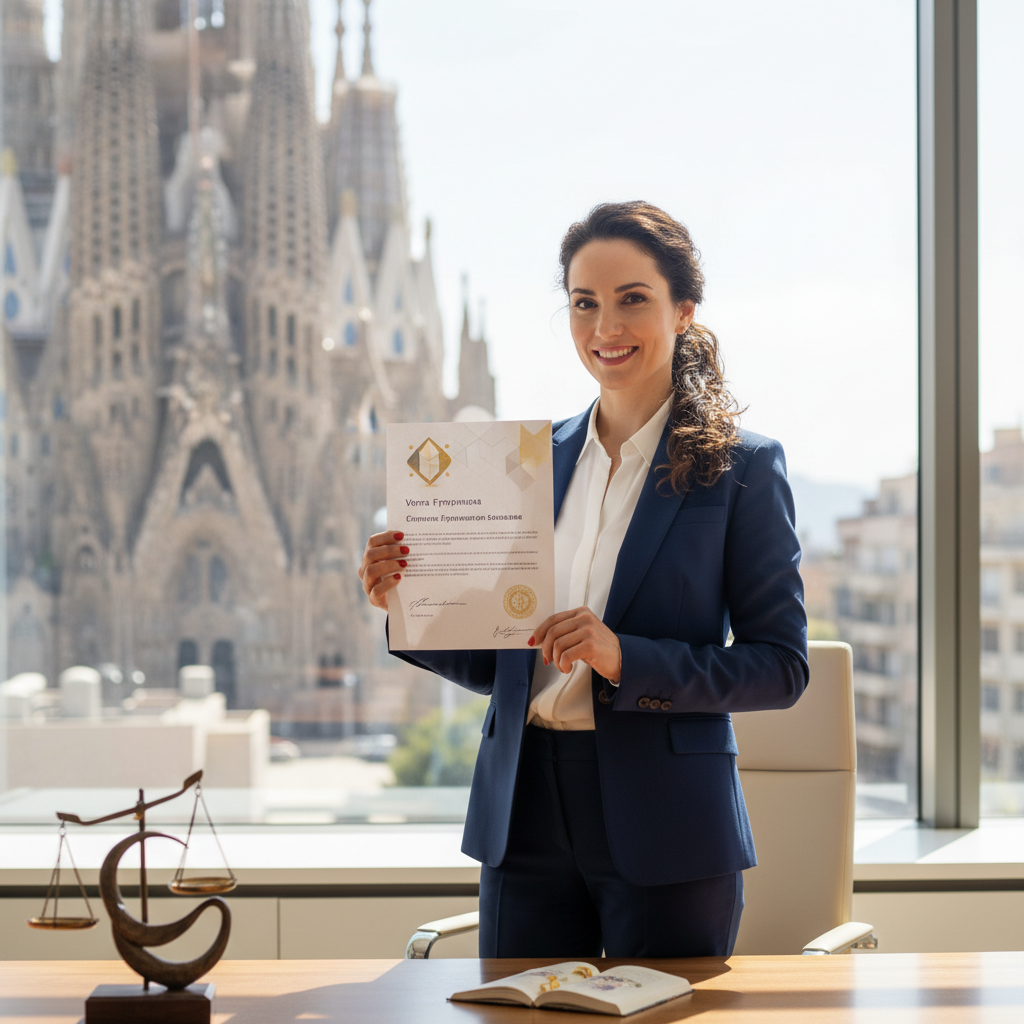
For Russian citizens in Spain, the language barrier and the intricacies of Spanish bureaucracy can make a Residency Permit Modification feel like an insurmountable challenge. This is where the expertise of a seasoned lawyer like Vera Grigoryeva becomes indispensable. Legal counsel provides more than just document preparation; it offers a strategic approach to residency.
A specialized lawyer ensures that the business plan for a self-employed modification is robust, that a job contract meets the minimum requirements of the Spanish labor law, and that all Russian documents are properly apostilled and translated by sworn translators (traductores jurados). Furthermore, having a legal representative allows for the electronic submission of documents, which often accelerates the process compared to traditional in-person appointments.
Securing a Residency Permit Modification is a pivotal moment for any expat in Spain. It represents a transition toward greater autonomy, professional growth, and long-term stability. Given the complexities of the Ley de Extranjería and the rigorous demands of the Spanish administration, attempting this process without professional guidance can lead to unnecessary risks.
If you are a Russian national currently residing in Spain and find that your current permit no longer reflects your professional or personal reality, seeking a modification is the logical next step. With the right legal support, you can navigate the administrative maze with confidence, ensuring that your life in Spain remains secure and fully compliant with current regulations.