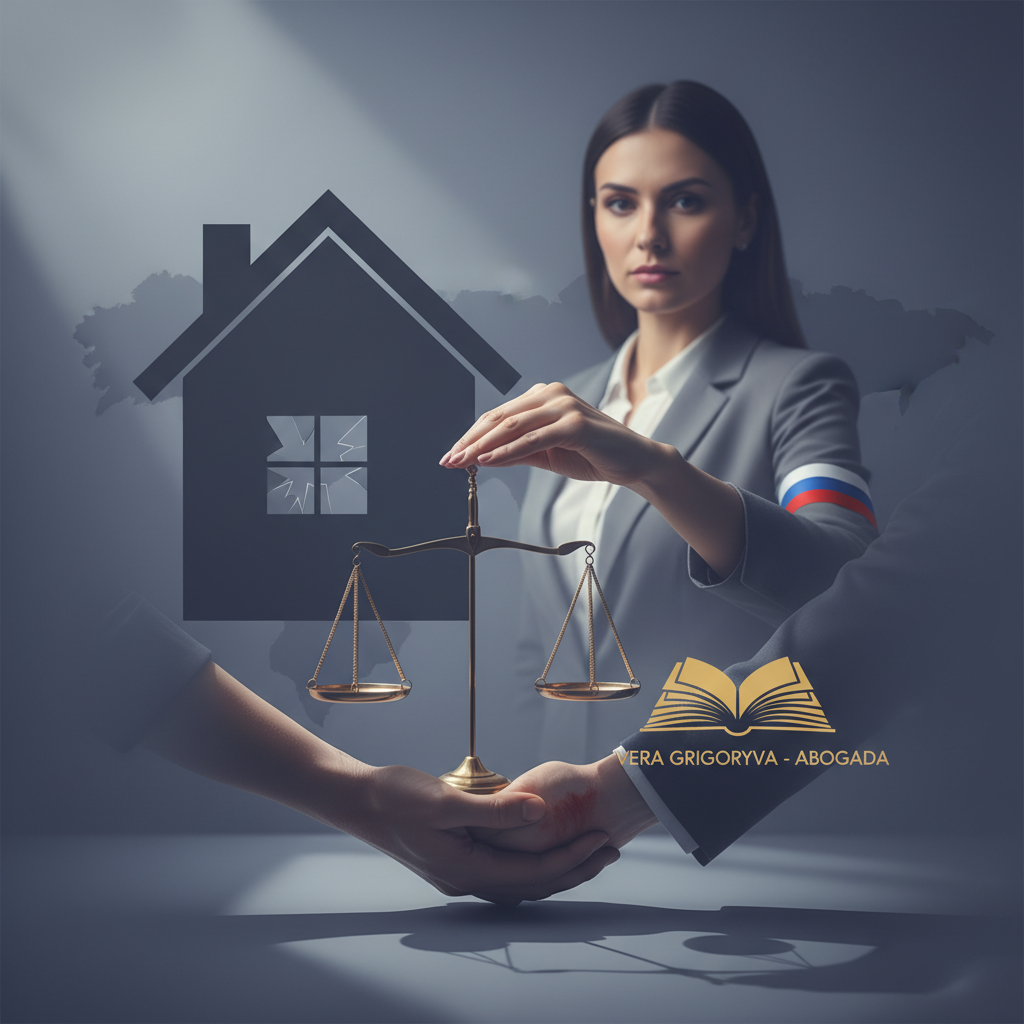
Understanding Domestic Violence in Spain: A Comprehensive Legal Guide for Foreign Residents
- Home
- Useful information
- Post
Navigating the legal landscape of a foreign country can be a daunting task, especially when facing sensitive and urgent personal crises. For the Russian-speaking community residing in Spain, understanding the local statutes regarding protection and justice is paramount. One of the most critical areas of Spanish law involves the protections afforded to victims of abuse. This article explores the legal framework surrounding domestic violence in Spain, the rights of the victims, and the procedural steps necessary to ensure safety and legal standing.
Spain is recognized globally for its robust and specific legislation designed to combat gender-based aggression. The cornerstone of this framework is the Organic Law 1/2004, of December 28, on Integrated Protection Measures against Gender Violence. While the term "domestic violence" is often used broadly, Spanish law distinguishes between "violencia de género" (violence directed at women by their current or former partners) and "violencia doméstica" (violence occurring within the family unit, such as against children, the elderly, or between same-sex partners).
Domestic violence in Spain is treated with extreme gravity by the judicial system. The law provides not only for criminal prosecution of the offender but also for comprehensive social, economic, and legal support for the victim. For Russian expatriates, it is vital to know that these protections apply to everyone on Spanish soil, regardless of their nationality or administrative (residency) status.
A common fear among foreign residents, including many in the Russian community, is that reporting an incident to the authorities might lead to deportation if their residency papers are not in order. However, Spanish law is explicit in its priority: the protection of the victim’s physical and psychological integrity takes precedence over administrative immigration status.
Victims of domestic violence in Spain have the right to specialized legal counsel, psychological support, and emergency housing. Furthermore, for those without permanent residency, the Spanish "Ley de Extranjería" (Immigration Law) provides a specific pathway to obtain a temporary residence and work permit based on exceptional circumstances once a protection order has been issued or a conviction has been secured. This ensures that the legal system acts as a shield rather than a threat to those seeking help.
The legal process typically begins with a "denuncia" (a formal report). This can be filed at any local police station (Policía Nacional or Guardia Civil) or directly at the Duty Court (Juzgado de Guardia). When filing a report, it is highly recommended to be accompanied by a lawyer who understands the nuances of both the Spanish legal system and the specific cultural context of the victim.
Upon filing the report, the victim can request an "Orden de Protección" (Protection Order). This is a judicial decision that provides immediate measures, which can include:
A judge usually holds a hearing within 72 hours of the request to decide on the Protection Order. During this time, the presence of a dedicated legal representative is crucial to ensure that the evidence is presented correctly and the victim's interests are fully protected.
While the Spanish state provides public defenders, the complexity of cases involving foreign nationals—where international treaties, Hague Conventions (in cases involving children), and specific residency laws intersect—demands specialized expertise. For the Russian community in Spain, Vera Grigoryeva offers a bridge between these two worlds. A lawyer who understands the linguistic nuances and the specific vulnerabilities of Russian citizens in Spain can provide a level of strategic defense that goes beyond basic legal aid.
Expert legal counsel assists in gathering the necessary evidence, such as medical reports (partes de lesiones), witness testimonies, and digital evidence (messages or recordings), which are vital for a successful prosecution and for securing long-term protection.
Victims are not alone in this process. Spain offers a 24/7 hotline—016—which provides information and legal advice in multiple languages, including Russian. This service is confidential and does not leave a trace on the phone bill, although it must be deleted from the call log manually on some devices. You can find more official information regarding these services on the Ministry of Equality's official website.
In addition to state resources, legal professionals like Vera Grigoryeva play a fundamental role in guiding victims through the "Juzgados de Violencia sobre la Mujer" (Specialized Courts for Violence against Women). These courts are designed to handle these cases with the sensitivity and speed they require, focusing on the safety of the victim and any minor children involved.
Domestic violence in Spain is a serious issue, but the legal system provides strong mechanisms to combat it. No individual should live in fear of their partner or fear the legal system meant to protect them. For the Russian-speaking community, overcoming the language barrier and understanding local laws are the first steps toward a life of safety and dignity.
If you or someone you know is in a situation of vulnerability, seeking professional legal advice is essential. Vera Grigoryeva provides the professional, discreet, and effective legal advocacy needed to navigate these challenging times, ensuring that your rights are upheld and your future in Spain is secure. Taking action is the first step toward justice; the Spanish law is designed to support you in every step of that journey.