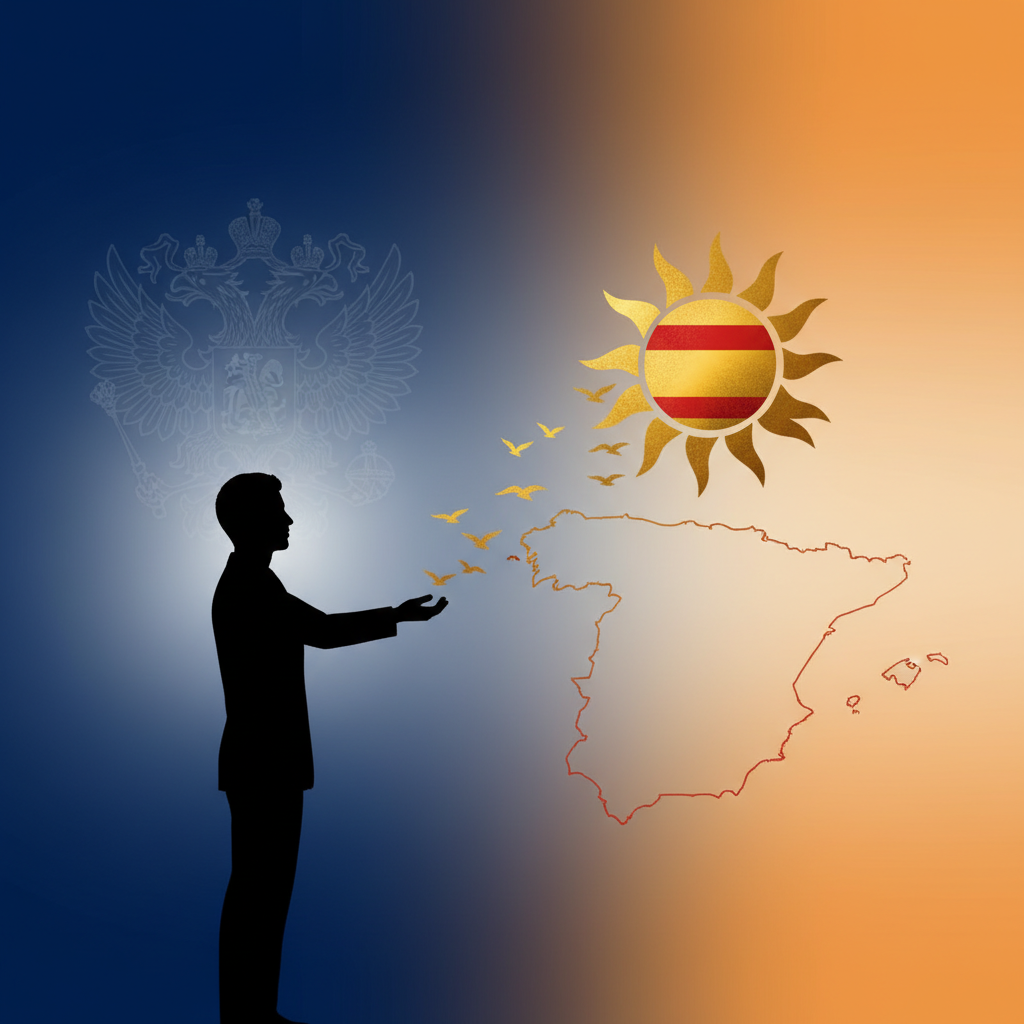
Navigating the Process of Political Asylum in Spain for Russian Citizens
- Home
- Useful information
- Post
In recent years, the geopolitical landscape has shifted significantly, leading to an unprecedented increase in the number of individuals seeking international protection within the European Union. For many Russian citizens, Spain has emerged as a primary destination due to its robust legal framework, commitment to human rights, and established procedures for granting refuge. Understanding the intricacies of seeking political asylum in Spain is essential for those fleeing persecution, as the legal journey is both complex and demanding.
This article provides an in-depth look at the administrative and legal pathways involved in the asylum process, emphasizing the importance of professional legal guidance to navigate the Spanish bureaucracy successfully.
The right to seek asylum is a fundamental pillar of international law, codified in the 1951 Geneva Convention Relating to the Status of Refugees. In the Spanish domestic context, this is governed by Law 12/2009, which regulates the right to asylum and subsidiary protection. Political asylum in Spain is granted to individuals who have a well-founded fear of being persecuted in their home country for reasons of race, religion, nationality, political opinion, or membership in a particular social group.
For Russian nationals, the grounds for such applications often revolve around political dissent, participation in unauthorized protests, or the risk of prosecution due to legislative changes in the Russian Federation. It is crucial to distinguish between economic migration and international protection; the Spanish authorities strictly evaluate whether the applicant faces a personal and direct threat to their life or freedom.
The journey to obtaining legal status through political asylum in Spain begins the moment an individual enters Spanish territory or reaches its borders. The process can be summarized in several critical phases:
1. The Initial Expression of Interest: An applicant must manifest their desire to seek international protection before the appropriate authorities. This can be done at border crossings (airports such as Madrid-Barajas or Barcelona-El Prat), at the Asylum and Refugee Office (OAR), or at designated National Police stations.
2. The Formal Interview: Once an appointment is secured, the applicant undergoes a formal interview. This is perhaps the most critical stage of the process. During this session, the applicant must present their narrative, detailing the reasons for seeking protection. It is mandatory to provide a consistent and credible account of the events that led to their departure from Russia.
3. Admission to the Procedure: After the interview, the Ministry of the Interior has one month to decide whether the application is admissible. If admitted, the applicant receives a "white folder" (Resguardo), which protects them against deportation while their case is being reviewed.
A successful application for political asylum in Spain relies heavily on the quality of evidence provided. While the burden of proof is shared between the applicant and the state, the individual must present as much documentation as possible to corroborate their claims. This may include:
All documents must be translated into Spanish by a certified "traductor jurado" (sworn translator) to be officially recognized by the Spanish administration. The absence of physical evidence does not automatically disqualify an applicant, but it places a higher premium on the credibility of the oral testimony provided during the interview.
Once the application is admitted for processing, the "white folder" is eventually replaced by the "Tarjeta Roja" (Red Card). This document serves as a temporary residence permit and grants the applicant several rights. Initially, the Red Card does not allow the holder to work; however, after six months from the date of the formal application, the card is renewed with a "derecho a trabajar" (right to work) clause.
During the processing period, which can last from eighteen months to several years due to administrative backlogs, applicants are entitled to basic social services. This includes access to the public healthcare system and, in some cases, inclusion in state-sponsored reception programs for refugees.
Despite the legal protections in place, Russian citizens often face significant hurdles when applying for political asylum in Spain. Language barriers, the complexity of Spanish administrative law, and the strict scrutiny of the Oficina de Asilo y Refugio (OAR) can lead to procedural errors or denials.
This is where the expertise of a specialized lawyer becomes indispensable. The law firm of Vera Grigoryeva provides comprehensive legal support specifically tailored for Russian-speaking clients. Unlike general legal practices, a specialized firm understands the nuances of the political situation in Russia and can help frame the asylum narrative in a way that aligns with Spanish legal requirements. Legal counsel assists in:
For those considering this path, it is vital to consult official sources and understand the international standards for protection. The United Nations High Commissioner for Refugees (UNHCR) provides extensive resources on the rights of asylum seekers and the obligations of host nations like Spain. You can find detailed information on international protection standards on the official UNHCR website.
Seeking political asylum in Spain is a life-altering decision that requires careful planning and a deep understanding of the law. While the Spanish system offers a pathway to safety and integration, the process is rigorous and leaves little room for error. For Russian citizens navigating this transition, the combination of personal resilience and professional legal guidance is the most effective strategy for securing a future in Spain.
By staying informed and seeking expert advice from practitioners like Vera Grigoryeva, applicants can ensure that their voice is heard and their rights are protected under the umbrella of international law.