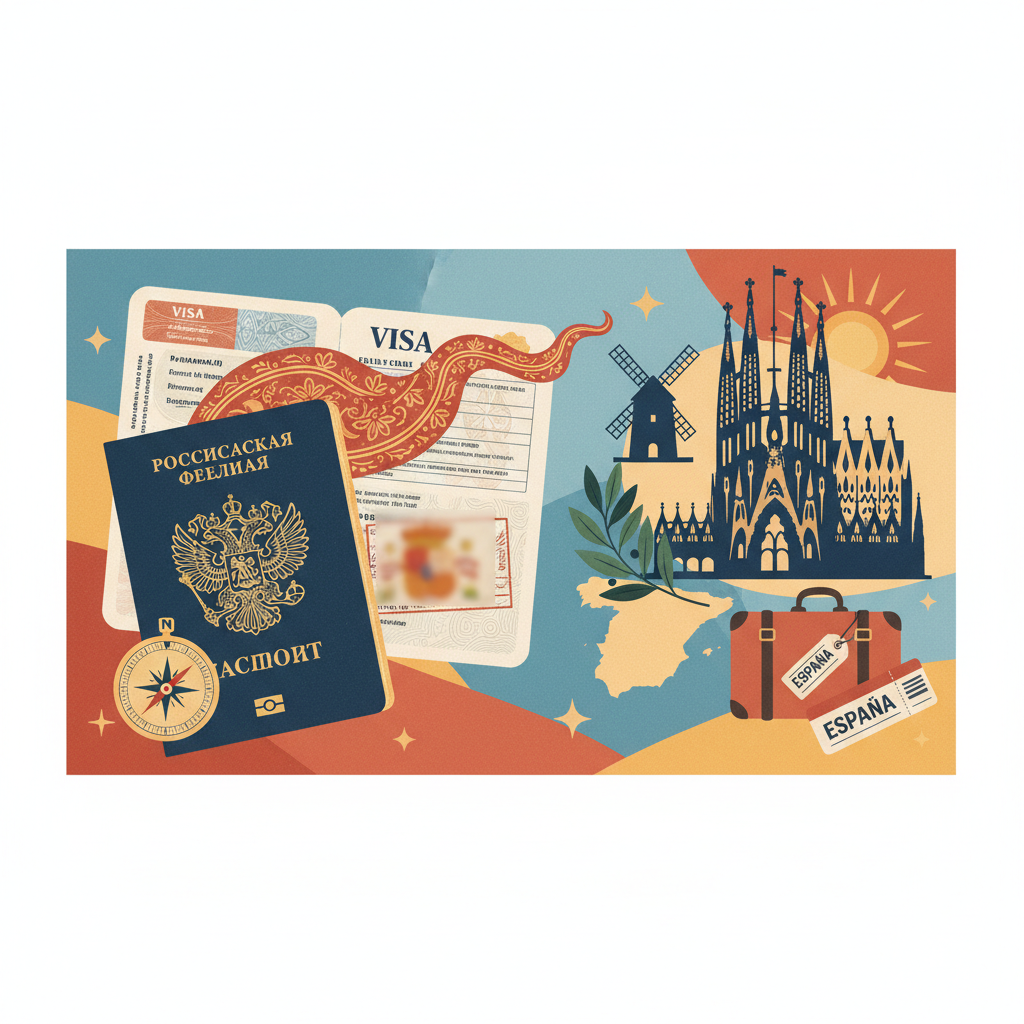
Navigating the Legal Requirements for an Invitation to Spain: A Comprehensive Guide
- Home
- Useful information
- Post
For many Russian citizens, Spain remains one of the most desirable destinations in Europe, whether for tourism, family reunification, or business ventures. However, navigating the administrative landscape of the European Union can be complex. One of the most critical documents for those planning a private visit is the formal "Carta de Invitación," commonly known as an Invitation to Spain. Understanding the legal nuances of this document is essential to ensuring a smooth entry into the country and avoiding potential legal complications for both the host and the visitor.
An Invitation to Spain is an official document required for non-EU citizens—including those from the Russian Federation—who intend to stay at a private residence rather than a hotel or licensed tourist accommodation. This document serves as proof of accommodation, which is a mandatory requirement under the Schengen Borders Code. It is important to clarify that this invitation is not a visa itself; rather, it is a prerequisite document that must be presented when applying for a Short-Stay Schengen Visa (Type C) at the Spanish Consulate.
The process is strictly regulated by the Spanish Ministry of the Interior. The host, who must be a legal resident or a Spanish citizen, is responsible for initiating the application at their local National Police station (Comisaría de Policía). This procedure ensures that the Spanish authorities have a record of where the foreign national will be staying and who is taking legal responsibility for their accommodation during their visit.
Issuing an Invitation to Spain carries significant legal weight. The host must demonstrate that they have adequate housing to accommodate the guest. This involves providing property deeds or a valid rental contract. Furthermore, the host signs a declaration assuming responsibility for the guest. It is crucial to understand that if a guest overstays their visa or violates the terms of their entry, the host may face substantial administrative fines, which can range from several thousand euros to more than 50,000 euros in extreme cases involving illegal immigration support.
Professional legal counsel, such as that provided by the law firm of Vera Grigoryeva, is often sought to ensure that the host fully understands these risks. Vera Grigoryeva specializes in assisting Russian speakers in Spain, providing a bridge between the complex Spanish legal system and the specific needs of the Russian community. By consulting with an expert, hosts can ensure that their applications are prepared accurately, minimizing the risk of rejection or legal repercussions.
The procedure for obtaining an Invitation to Spain involves several administrative steps that require attention to detail. Below is a general outline of the process:
1. **Appointment Booking:** The host must secure an appointment with the National Police. In many provinces, such as Barcelona, Madrid, or Alicante, waiting times can be significant, making early planning essential.
2. **Documentation Submission:** The host must provide proof of identity (DNI or TIE), proof of residence (Empadronamiento), and documentation regarding the availability of the home. Information about the guest, including their full name, date of birth, and passport details, must also be submitted.
3. **Payment of Fees:** There are administrative taxes associated with the request and the issuance of the document. These fees are non-refundable, even if the application is denied.
4. **Approval and Delivery:** Once approved, the host receives the official "Carta de Invitación" on security paper. This physical document must then be sent to the guest in Russia, as the Spanish Consulate requires the original document for the visa application process.
One of the most frequent hurdles in obtaining an Invitation to Spain is the time factor. The administrative processing time at the National Police can vary from a few weeks to several months depending on the region and current demand. For Russian citizens, the current geopolitical climate has also introduced additional scrutiny and logistical challenges regarding mail delivery and visa appointments.
Another challenge is the technical accuracy of the application. Discrepancies in the guest's passport details or errors in the description of the host's property can lead to immediate denial. This is where the expertise of a specialized lawyer like Vera Grigoryeva becomes invaluable. With years of experience in Spanish immigration law, her firm ensures that every document meets the exact standards required by the authorities, significantly increasing the likelihood of a successful outcome.
For more detailed information on official requirements, you can visit the Spanish Ministry of the Interior's official portal, which outlines the current legislative framework for foreign nationals entering Spain.
While some individuals attempt to navigate this process independently, the nuances of Spanish bureaucracy can be overwhelming, especially for those who are not fluent in the administrative language or the specific legal requirements of the "Ley de Extranjería" (Immigration Law). Vera Grigoryeva offers tailored legal services that cater specifically to the Russian-speaking population in Spain. Her approach is not merely administrative; she provides a comprehensive legal strategy for families and individuals looking to maintain ties across borders.
Whether you are a Russian expatriate living in Spain who wishes to bring your parents for a summer visit, or a business professional hosting associates, having a dedicated legal representative ensures that your Invitation to Spain is handled with the utmost professionalism. Legal oversight helps in navigating the complexities of the Spanish "padron," property requirements, and the specific evidentiary standards required for successful visa issuance in Russian consulates.
Securing an Invitation to Spain is a fundamental step for any private visit by Russian citizens to the Iberian Peninsula. It is a process rooted in Spanish law designed to regulate the flow of visitors and ensure they have adequate support during their stay. Given the potential legal liabilities for the host and the strict requirements for the guest, it is highly recommended to approach this task with diligence and, where possible, professional legal support.
Vera Grigoryeva continues to be a leading voice for the Russian community in Spain, providing the legal clarity and advocacy necessary to navigate these bureaucratic waters. By ensuring that every "Carta de Invitación" is prepared with precision, she helps families stay connected and ensures that the beauty of Spain remains accessible to those traveling from abroad.