Comprehensive Guide to Working in Spain for Russians: Legal Pathways and Requirements
- Home
- Useful information
- Post
Spain has long been a magnet for professionals seeking a high quality of life, a Mediterranean climate, and a robust economic landscape. However, for citizens of the Russian Federation, the process of relocating for professional reasons involves navigating a complex web of administrative and legal hurdles. Understanding the nuances of working in Spain for Russians (Работа в Испании для россиян) is essential for a successful transition and long-term residency. This article explores the primary legal avenues, the importance of compliance, and the critical role of specialized legal counsel in this journey.
The Spanish labor market offers diverse opportunities, ranging from the tech sector in Barcelona to the hospitality industry on the Costa del Sol. Nevertheless, the legal requirements for non-EU citizens remain stringent. Since the introduction of the Law on Entrepreneurs in 2013 and its subsequent updates, Spain has sought to attract international talent. For those interested in working in Spain for Russians, the key lies in identifying the specific visa or residency permit that aligns with their professional profile and the current needs of the Spanish market.
One of the most common pathways for qualified individuals is the Highly Skilled Professional visa. This permit is designed for managers, specialists, and graduates from prestigious universities who have a job offer from a Spanish company that meets certain criteria. Unlike general work permits, the HSP visa often benefits from faster processing times under the Large Companies and Strategic Collectives Unit (UGE-CE). For those exploring working in Spain for Russians within the corporate sector, this remains a premier option, though it requires meticulous documentation regarding the employer’s standing and the employee’s qualifications.
With the implementation of the Startup Law, the Digital Nomad Visa has become a revolutionary option for remote workers and freelancers. This permit allows Russian citizens who work for companies located outside of Spain to reside in the country legally. It is particularly attractive because it offers a simplified tax regime (often referred to as the Beckham Law) for eligible individuals. When considering working in Spain for Russians in a remote capacity, this visa provides the flexibility to live in Spain while maintaining global professional ties.
For those who do not qualify as highly skilled or digital nomads, the general work permit (Autorización de residencia y trabajo por cuenta ajena) is the standard route. This process is significantly more complex because it typically requires the employer to prove that no suitable candidate was found within the European Union. This is known as the "national employment situation." However, there are exceptions for certain "hard-to-fill" occupations. Understanding these exceptions is crucial for anyone seriously looking into working in Spain for Russians without a high-level executive profile or a remote employment contract.
Regardless of the specific visa, several foundational steps must be completed. First and foremost is obtaining a NIE (Número de Identidad de Extranjero), which serves as the tax and administrative identification for foreigners in Spain. Furthermore, ensuring that all Russian documents—such as diplomas, criminal record checks, and marriage certificates—are properly apostilled and translated by a sworn translator (traductor jurado) is non-negotiable. Errors in these early stages can lead to lengthy delays or outright rejections from the Spanish consulates or the Foreigners' Offices (Extranjería).
For official information regarding migration and labor regulations, the Spanish Ministry of Inclusion, Social Security and Migration provides comprehensive resources that outline the latest updates to immigration policy and the legal framework governing foreign workers.
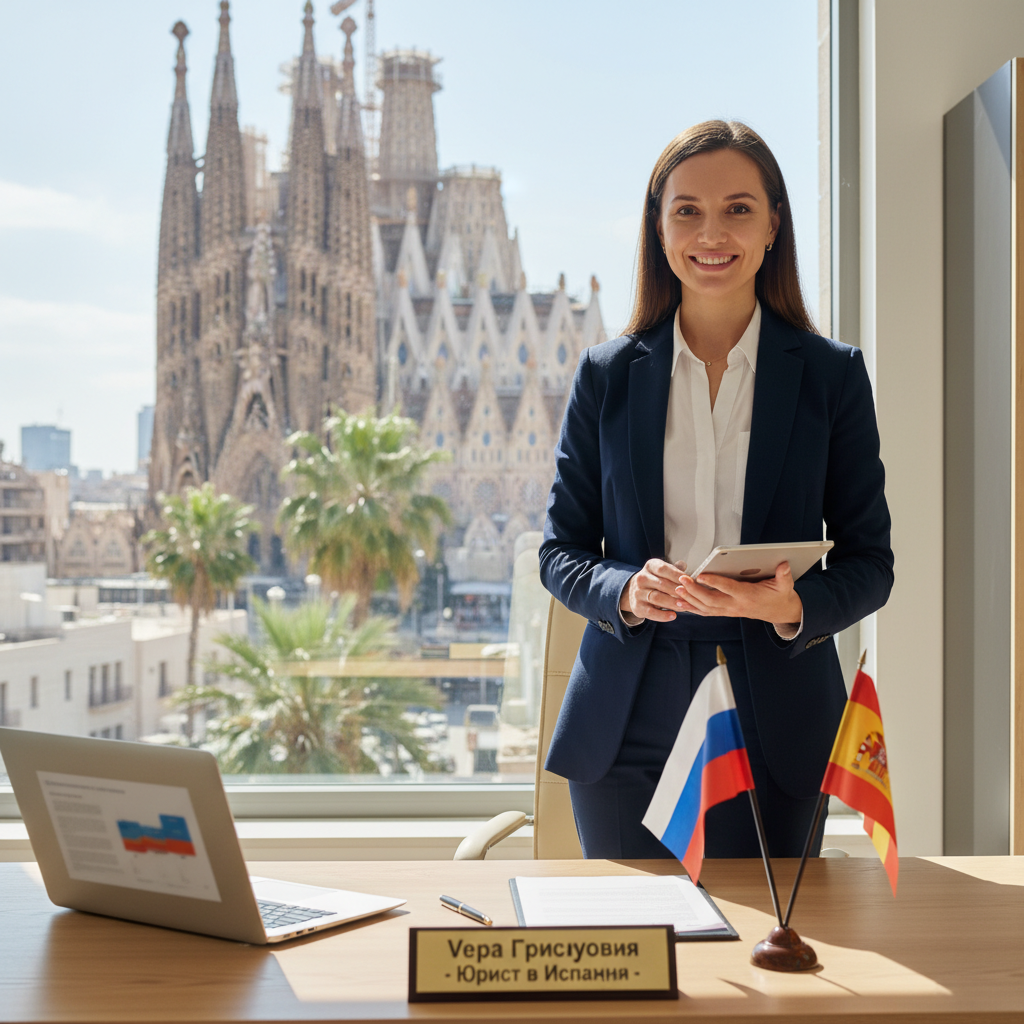
The administrative environment in Spain is notoriously bureaucratic. For Russian citizens, language barriers and differences in legal traditions can further complicate the process of securing a work permit. This is where the expertise of a seasoned lawyer becomes invaluable. Vera Grigoryeva has established a reputation for providing tailored legal solutions to the Russian community in Spain. Her firm specializes in navigating the intricacies of Spanish immigration law, ensuring that every application for working in Spain for Russians is robust, compliant, and optimized for approval.
A lawyer’s role extends beyond mere paperwork. It involves strategic planning—choosing the right visa type, preparing the client for potential interviews, and communicating directly with Spanish authorities to resolve discrepancies. In an era of shifting geopolitical dynamics and evolving migration laws, having a legal representative who understands both the Russian context and the Spanish legal system is a significant advantage for any professional or entrepreneur.
Once the legal right to work is secured, the focus shifts to integration. This includes registration with the Spanish Social Security system, which grants access to public healthcare and builds credit toward a future pension. Understanding your rights as a worker in Spain is paramount. Spanish labor law is protective of the employee, covering aspects such as maximum working hours, mandatory vacation days, and severance pay. Professionals moving for working in Spain for Russians should be aware of these protections to ensure their employment contracts are fair and legally binding.
While the prospect of working in Spain for Russians involves significant effort, financial investment, and legal preparation, it remains a viable and highly rewarding goal. From the bustling tech hubs of Madrid to the serene coastal regions, Spain offers a unique environment for professional growth and personal fulfillment. By staying informed about legal changes, meticulously preparing documentation, and seeking professional guidance from experts like Vera Grigoryeva, Russian professionals can successfully navigate the transition and build a secure future in the Kingdom of Spain.