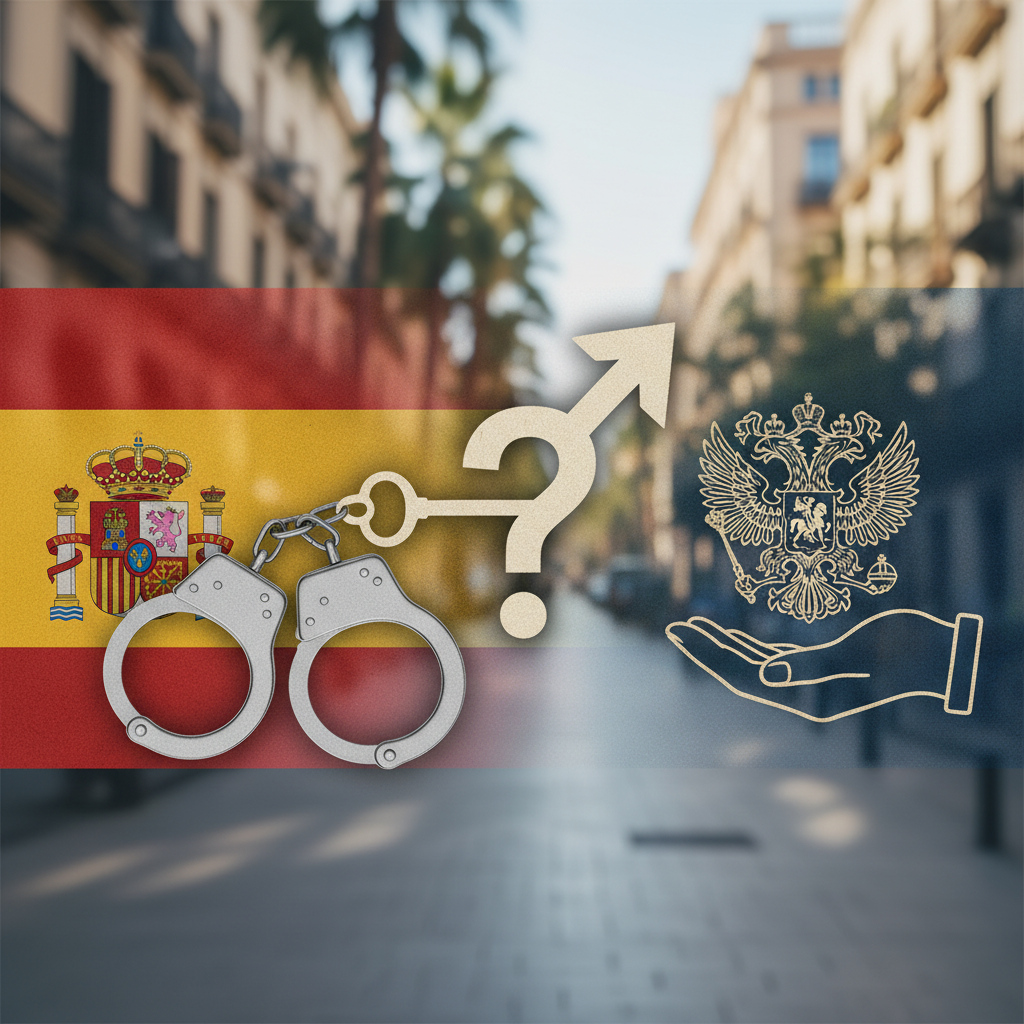
Arrested in Spain: What to Do? A Comprehensive Legal Guide for Russian Nationals
- Home
- Useful information
- Post
Facing legal complications in a foreign country can be an overwhelming and distressing experience. For Russian citizens residing in or visiting Spain, an encounter with the Spanish law enforcement system requires a clear understanding of local procedures and constitutional rights. The phrase "Arrested in Spain: what to do" (or in Russian, Арест в Испании что делать) is a critical search for anyone finding themselves or a loved one in custody. Navigating the Spanish criminal justice system requires not only knowledge of the law but also specialized assistance to bridge the cultural and linguistic gap.
This article provides an informative overview of the detention process in Spain and outlines the essential steps to protect your legal standing from the moment of arrest.
The Spanish Constitution and the Law of Criminal Procedure (Ley de Enjuiciamiento Criminal) establish a set of non-negotiable rights for any individual detained on Spanish soil, regardless of their nationality. Upon arrest, the police are legally obligated to inform you of these rights in a language you understand. If you are a Russian speaker with limited proficiency in Spanish, you have the right to a qualified interpreter.
The primary rights include the right to remain silent, the right not to incriminate yourself, and the right to inform a family member or a third party of your detention. For foreign nationals, this includes the right to have their consulate notified. Furthermore, you have the right to be examined by a forensic doctor if there are health concerns or if you have suffered any physical harm during the arrest process.
Perhaps the most vital right is the right to legal counsel. In Spain, a detainee has the right to appoint a private lawyer or, if they cannot afford one, to be assigned a public defender. However, for Russian nationals, the choice of a private lawyer who understands both the Spanish legal framework and the specific circumstances of the Russian-speaking community is highly recommended.
In Spain, the police can hold a person in detention for a maximum of 72 hours. During this period, the police will conduct their initial investigation and take a statement. It is critical to note that your lawyer must be present during any official statement given to the authorities. After this 72-hour window, the detainee must either be released or brought before a judge at the "Juzgado de Instrucción" (Investigative Court).
The judge will then decide on the next course of action based on the evidence presented and the severity of the alleged crime. The possible outcomes at this stage include unconditional release, release on bail, or "prisión provisional" (preventative detention) while the investigation continues. Having a specialized lawyer like Vera Grigoryeva at this stage is essential to argue for release and prevent unnecessary pre-trial imprisonment.
For more detailed information on the structure of the Spanish judicial system, you can consult the official resources provided by the Spanish Ministry of Justice.
When searching for "Arrested in Spain: what to do," many find that the standard advice does not account for the unique challenges faced by Russian citizens. There are specific administrative and migratory implications that follow a criminal arrest in Spain. An arrest can jeopardize residency permits, complicate visa renewals, or lead to deportation proceedings if not handled with professional care.
Vera Grigoryeva’s legal practice specializes in providing these essential services to the Russian community. Unlike a general public defender, a dedicated specialist understands the nuances of International Private Law and the specific treaties between Spain and the Russian Federation. This expertise ensures that the defense strategy accounts for both the immediate criminal charges and the long-term residency status of the client.
Effective communication is the cornerstone of a successful defense. A professional lawyer ensures that every document, from police reports to judicial decrees, is accurately explained to the client, removing the fear of the unknown that often accompanies legal troubles in a foreign land.
If you or someone you know is facing an arrest in Spain, follow these steps immediately:
1. **Stay Calm and Silent:** Do not attempt to explain your version of events to the police without a lawyer present. Anything you say can be used against you in court.
2. **Request an Interpreter:** Do not sign any documents if you do not fully understand the content. Insist on your right to a Russian-speaking interpreter.
3. **Contact a Specialist Lawyer:** Request to contact your private attorney immediately. Providing the authorities with the name of a specific lawyer, such as Vera Grigoryeva, ensures that your defense begins at the earliest possible moment.
4. **Inform the Consulate:** Ensure the Russian Consulate is aware of your situation, as they can provide additional support and monitor the fairness of the proceedings.
The Spanish legal system is complex, and the stakes are high for foreign nationals. An arrest is not a conviction, but the actions taken in the first few hours of detention can determine the outcome of the entire case. Understanding the answer to "Arrested in Spain: what to do" is about knowing your rights and knowing who to call.
Vera Grigoryeva provides professional, confidential, and highly effective legal representation for Russians facing criminal or administrative challenges in Spain. With a deep understanding of the Spanish Penal Code and a commitment to the Russian-speaking community, her firm ensures that your rights are upheld and your future in Spain remains secure. When the law is involved, professional intervention is not just an option—it is a necessity.